Modern electric vehicles (EVs) are redefining the standard of luxury and convenience for drivers. One of the most significant advancements is the ability to maintain a perfect cabin environment automatically. These systems ensure that every passenger enjoys a personalized climate regardless of external weather conditions [1].
Drivers no longer need to manually fiddle with knobs or dials during their commute. Intelligent climate control systems now handle the heavy lifting by sensing cabin conditions in real-time [2]. This focus on comfort is a major reason why many luxury seekers are choosing high-end electric models for their daily travel.
The science of automated climate control
Automated climate systems in EVs utilize a network of sensors to monitor temperature and humidity. These sensors communicate with the vehicle's central computer to adjust airflow and cooling intensity instantly [1]. By maintaining a precise, stable temperature, the car creates a sanctuary from the outside world.
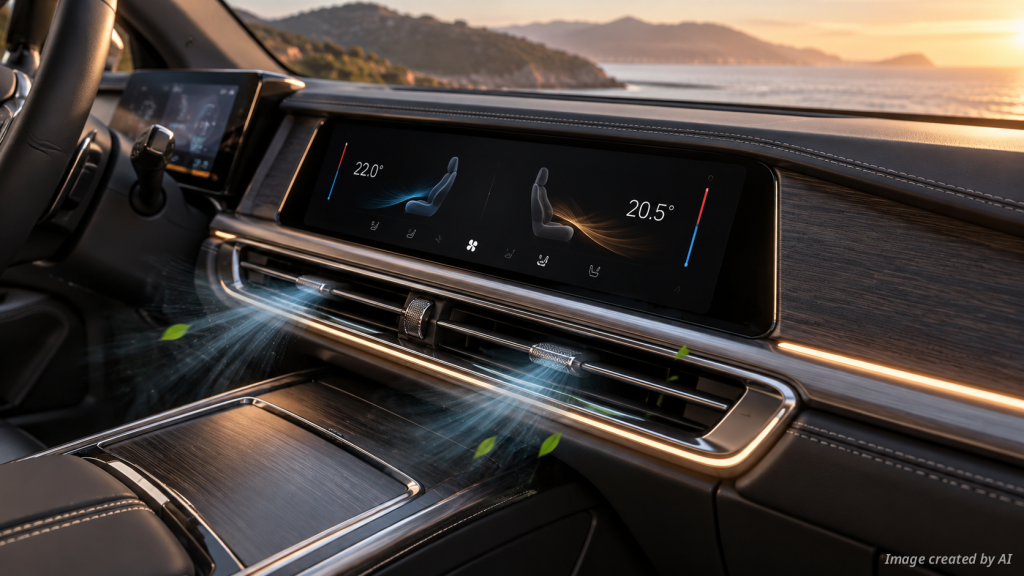
Many modern EVs now feature multi-zone climate control. This technology allows different areas of the cabin to maintain separate temperatures simultaneously [2]. Whether the driver prefers a cool breeze or the passenger desires warmth, the system manages these requirements without conflict. This level of precision is essential for those who prioritize smart cabin sensing technology to improve overall passenger well-being.
Advanced air filtration for a healthier ride
Comfort is not just about temperature; it is also about air quality. Advanced filtration systems are now standard in many premium electric cars [1]. These filters effectively remove dust, pollen, and pollutants before they enter the cabin.
Clean air is a vital component of the modern driving experience. By integrating high-tech filtration, manufacturers ensure that the interior environment remains fresh and healthy [2]. This is particularly beneficial for city dwellers who frequently encounter smog or heavy traffic. Choosing sustainable electric mobility often goes hand-in-hand with these health-conscious interior features.
Ergonomic seating and climate integration
Climate control extends beyond the air circulating in the cabin. Many modern EVs now feature seats that work in tandem with the climate system [2]. Ventilated seats help dissipate heat on hot days, while heating elements provide comfort during colder months.
Some vehicles even incorporate "zero pressure" or "one-touch" reclining features that adjust the seat's position automatically [2]. When combined with automated temperature settings, the result is a truly relaxing environment. This synergy between seat technology and cabin climate is a hallmark of premium automotive design.
Efficiency and the electric advantage
Electric vehicles have a unique advantage when it comes to climate management. Because they do not rely on a combustion engine for heat, they can provide near-instant climate control. This efficiency allows the system to reach the desired temperature much faster than traditional vehicles [5].
Furthermore, many EVs allow users to pre-condition the cabin via a smartphone app. You can set your preferred temperature while the car is still plugged in at home. This ensures that your vehicle is perfectly comfortable the moment you step inside [3]. It is a seamless way to start your journey without wasting battery power on the road.
The role of smart software
The intelligence behind these systems is constantly evolving. Manufacturers are using sophisticated software to predict user preferences based on past behavior. Over-the-air updates ensure that your vehicle's climate system stays current with the latest efficiency improvements [4]. This commitment to software-driven comfort is why modern electric models are so highly regarded.
Software also manages energy consumption, ensuring that climate control does not significantly impact the vehicle's range. By balancing power usage with comfort, these systems provide a guilt-free luxury experience. Drivers can enjoy a perfectly regulated environment while maintaining optimal driving range [5].
Future trends in cabin comfort
The future of cabin comfort looks even more personalized. We expect to see more biometric integration where the car recognizes the driver and adjusts settings automatically. These systems will likely use AI to monitor stress levels and adjust the environment to promote relaxation [2].
As technology progresses, the line between a vehicle and a mobile living space will continue to blur. Automated climate control is just the beginning of this transformation. For those seeking the ultimate in convenience, the electric revolution offers a path to a more comfortable, connected, and cleaner future [5].
More Information
- Multi-zone climate control: A system that allows different sections of the vehicle cabin to maintain independent temperature settings, ensuring personalized comfort for both the driver and various passengers.
- Zero pressure seating: Advanced ergonomic seat technology designed to distribute body weight evenly, reducing physical fatigue and enhancing comfort during long-distance travel.
- Pre-conditioning: A feature in electric vehicles that allows users to warm or cool the cabin temperature remotely before entering the car, usually while the vehicle is connected to a power source.
- Cabin air filtration: High-efficiency particulate air systems integrated into the vehicle's HVAC to remove dust, allergens, and pollutants, ensuring a clean and healthy breathing environment for all occupants.
- Zero-emission climate management: The process of heating and cooling an electric vehicle cabin without relying on internal combustion engine waste heat, utilizing battery energy for efficient and immediate temperature regulation.