Modern driving demands constant awareness of your surroundings. Traditional glass mirrors often leave dangerous blind spots that compromise safety on busy roads. Fortunately, automotive innovation is changing how we perceive the space behind us.
Digital rearview mirror technology now offers a significantly wider field of view compared to conventional glass. This advancement helps drivers navigate complex traffic conditions with greater confidence and precision. It represents a major leap forward in vehicle safety systems [1].
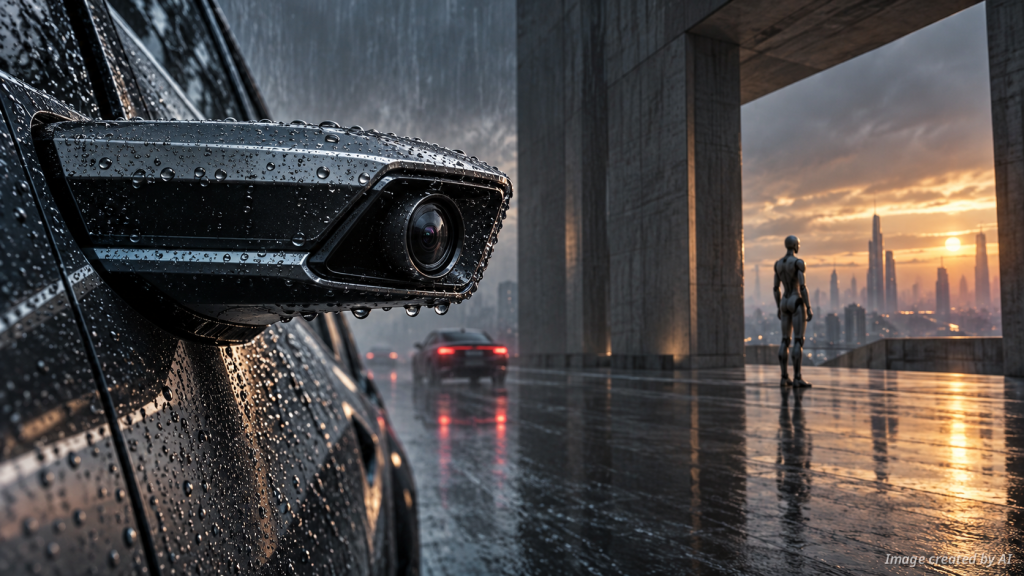
How digital mirrors improve road safety
Digital rearview systems utilize high-resolution cameras mounted on the vehicle exterior. These cameras capture a broader perspective than standard mirrors can physically provide. By projecting this feed onto an interior display, the system eliminates traditional blind spots effectively.
Many drivers now identify advanced visibility features as a top priority when shopping for a new vehicle [2]. These systems often include enhanced sensor integration to alert drivers of approaching hazards. Such technology is no longer a luxury but a vital safety tool for daily commuting.
The integration of smart surfaces
The automotive industry is rapidly moving toward connected smart surfaces to replace physical controls [3]. Digital mirrors fit perfectly into this trend by digitizing the visual information flow. This shift allows for cleaner cabin designs while improving the driver's ability to process critical data quickly.
You can learn more about the new generation VinFast VF 8: an electric evolution to see how these systems are implemented in current models. These displays are often paired with other advanced technical specifications to ensure optimal performance in all weather conditions [1].
Advanced features for modern drivers
Beyond a wider view, digital mirrors offer functional upgrades that glass cannot match. Many systems feature auto-dimming capabilities to reduce glare from trailing headlights at night. This ensures that your vision remains clear regardless of external lighting conditions.
Furthermore, these systems often integrate with how over-the-air updates for adaptive lighting systems improve night driving safety. The combination of superior optics and smart software creates a safer environment for everyone on the road. High-performance lighting, such as modern LED solutions, further complements these digital visibility tools [4].
Overcoming environmental challenges
Visibility can be hindered by rain, fog, or dust in traditional setups. Digital rearview cameras are often equipped with hydrophobic coatings or heating elements to maintain clarity. This proactive approach prevents the accumulation of moisture on the lens, ensuring a reliable feed.
Historical market shifts have taught the industry that reliability is paramount [5]. Automotive manufacturers now prioritize robust hardware that can withstand harsh environmental factors. Consequently, digital mirrors provide consistent performance that surpasses the limitations of standard reflective glass.
The future of vehicle visibility
As we look toward the future, the integration of artificial intelligence will further refine these systems. Future digital mirrors may highlight potential hazards in real-time using augmented reality overlays. This will allow drivers to react faster to changing traffic patterns.
The transition to digital is not just about aesthetics; it is about saving lives. By providing a wider, clearer, and more intelligent view of the road, these systems are redefining the driving experience. They empower drivers to make better decisions every time they get behind the wheel.
Summary of benefits
- Increased field of view reduces dangerous blind spots significantly.
- High-resolution displays offer clearer visibility during nighttime driving.
- Integrated heating and cleaning functions maintain clarity in bad weather.
- Smart software alerts help drivers detect approaching vehicles more efficiently.
- Seamless integration with cabin displays creates a modern, user-friendly cockpit.
More Information
- Digital rearview mirror [1]: An advanced automotive system that uses a rear-facing camera to stream a live video feed to an interior display, providing a wider field of view than traditional glass mirrors.
- Blind spot monitoring [2]: A safety technology that uses sensors to detect vehicles in the driver's blind spots and provides visual or audible alerts to prevent lane-change collisions.
- Smart surfaces [3]: Interior vehicle components that incorporate touch-sensitive technology and digital displays to replace traditional mechanical buttons and knobs, enhancing the connectivity and interface of the car.
- LED lighting technology [4]: Highly efficient and durable light-emitting diode technology used in modern automotive headlamps and taillights to provide superior road illumination and visibility in various driving conditions.
- Market stability [5]: The economic concept of maintaining consistent industry growth and consumer trust, which is essential for the successful adoption and long-term development of new automotive safety technologies.