When choosing a car for the family, safety is always the top priority. ADAS technology has become the gold standard in the modern automotive industry. It is not just a trend but a "shield" that protects you on every journey.
Advanced Driver Assistance Systems (ADAS) use smart sensors to monitor the surrounding environment. This technology helps drivers detect potential risks early and react in a timely manner [1].
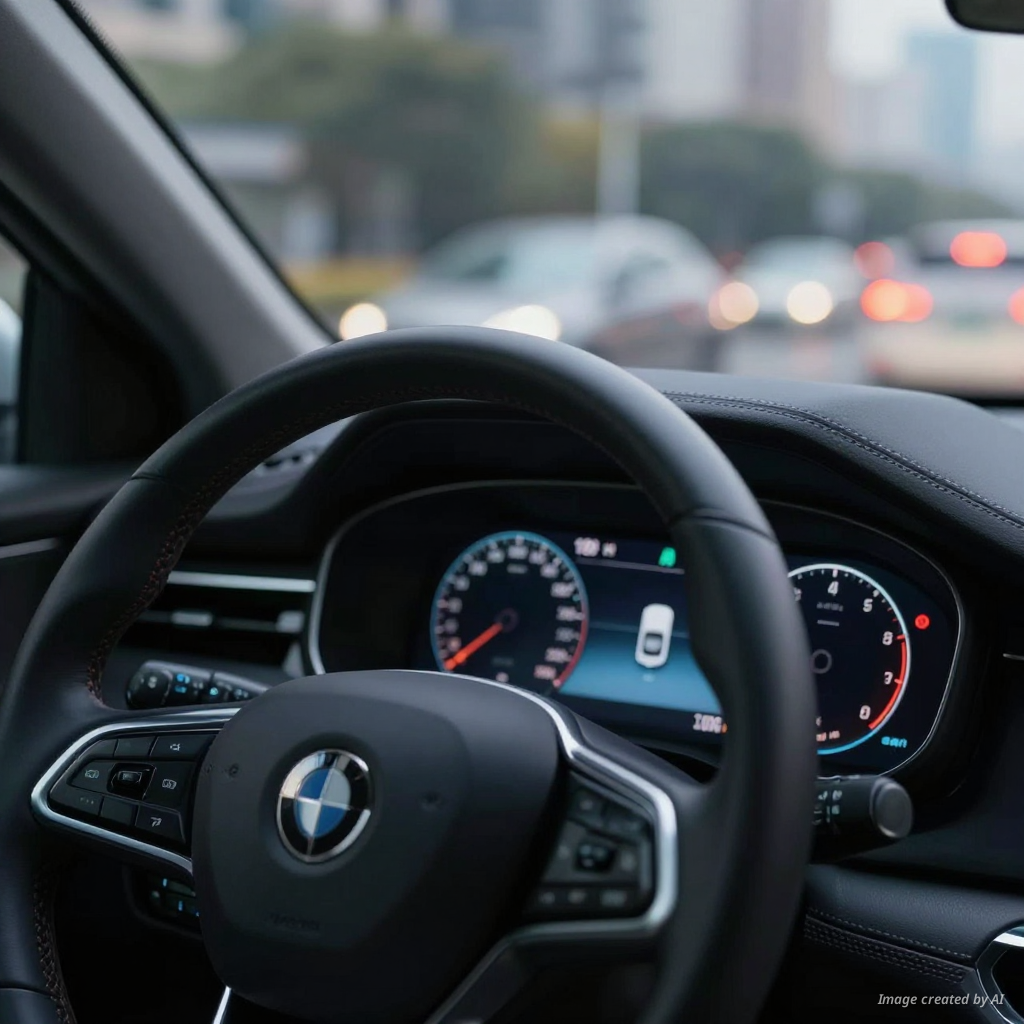
Why do new drivers need ADAS?
New drivers often struggle with estimating distances or handling unexpected situations. Technology suites like Honda SENSING provide significant support for those who lack experience. This system helps reduce pressure when driving in crowded urban areas or on highways [2].
Mastering the wheel becomes more confident with computer assistance. However, remember that ADAS is only a supportive tool. The driver must always remain focused and observant of real-world conditions.
Core ADAS features
Each car manufacturer uses different terminology, but fundamentally, the following features are the most common:
- Autonomous Emergency Braking (AEB): The system automatically activates the brakes if it detects an obstacle ahead and the driver fails to react in time.
- Adaptive Cruise Control (ACC): Automatically adjusts speed to maintain a safe distance from the vehicle in front [3].
- Lane Keeping Assist (LKA): Gently intervenes with the steering wheel to guide the car back into its lane if it drifts over the markings.
- Blind Spot Detection (BSD): Sends a signal when another vehicle is in the area not visible in the rearview mirrors.
Practical applications in Vietnam
Traffic in Vietnam is characterized by a very high density of motorcycles. Systems like Toyota Safety Sense have been refined to suit local operating conditions. This helps significantly reduce minor collisions caused by motorcycles cutting in front [3].
On North-South expressways, driving assistance features help drivers reduce fatigue significantly. You can learn more about over-the-air (OTA) software updates for cars to upgrade your driving assistance features regularly.
Important notes for use
Even though the technology is very smart, traffic infrastructure can sometimes be a challenge. Faded road markings or bad weather can reduce the performance of cameras and radar. You should not completely entrust your family's safety to an automated system.
Always keep your hands on the steering wheel and stay alert. ADAS is a companion, not a complete replacement for the driver's role [1]. Understanding the limits of the technology will help you drive more safely.
Investing in safety is investing in your family
When considering buying a car, prioritize models equipped with full active safety features. Major car manufacturers now integrate ADAS into popular car lines, not just luxury vehicles [2]. This difference could save your life in emergency situations.
You can refer to future technology trends such as AI voice assistants in cars are revolutionizing interaction to enhance your driving experience. Choose a car that is not only beautiful but also smart and safe.
More Information
- ADAS: Advanced Driver Assistance Systems use sensors and AI to support the driver, minimize human error, and enhance active safety on the road.
- Honda SENSING: Honda's proprietary safety technology suite, including features like collision mitigation braking and lane keeping assist, helping to protect the driver and passengers.
- Toyota Safety Sense (TSS): Toyota's active safety package, integrating radar sensors and cameras to assist the driver in many complex traffic situations.
- AEB (Autonomous Emergency Braking): An emergency braking feature that helps the vehicle stop or slow down when a collision risk is detected ahead and the driver does not react in time.
- ACC (Adaptive Cruise Control): An adaptive cruise control system that automatically adjusts vehicle speed to maintain a safe distance from the vehicle in front on highways.