The boom in electric vehicles in Vietnam is ushering in a new era for the automotive industry. However, along with the increasing number of electric vehicles comes significant pressure regarding the management of hazardous battery waste. Adopting a circular economy model not only helps protect the environment but also optimizes precious resources.
This model shifts from a linear consumption mindset to a sustainable, closed-loop process. Manufacturers are currently focusing on two main pillars: reusing and recycling electric vehicle batteries. This is the key to building a green supply chain in the domestic market.
The importance of the circular economy in the battery industry
Lithium-ion batteries contain many precious metals such as lithium, cobalt, nickel, and manganese. If disposed of improperly, they cause serious consequences for water sources and soil. Implementing a circular economy helps recover these materials for remanufacturing.
This strategy helps businesses reduce their dependence on scarce raw materials. At the same time, it affirms the commitment of manufacturers to social and environmental responsibility. This is also a key factor for Vietnamese brands to compete in the international market.
Strategies for second-life battery reuse
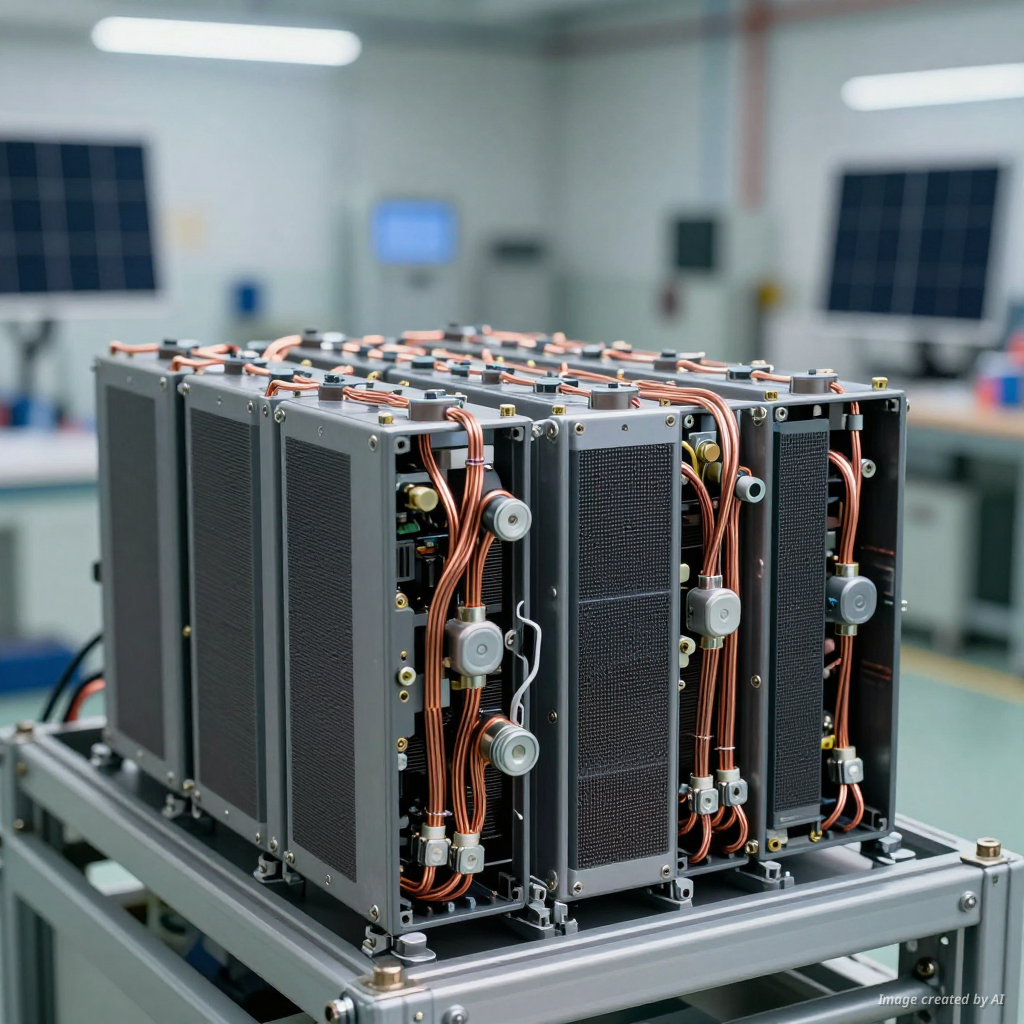
When battery capacity drops below 70-80%, they are no longer suitable for powering high-performance electric vehicles. However, these battery packs still have excellent energy storage capabilities. Businesses are leveraging this characteristic to develop Battery Energy Storage Systems (BESS).
The collaboration between VinFast and Marubeni [1] is a clear testament to this trend. BESS systems made from old batteries can store electricity from renewable sources like solar or wind power. This solution helps stabilize the power grid and supports electric vehicle fast-charging stations and government incentive policies in the future.
In addition, old batteries are also used as backup power sources for telecommunications stations. This helps extend the battery life by several years before they truly become waste [2].
Modern electric vehicle battery recycling technology
Once a battery has exhausted its storage capacity, recycling technology is applied to recover materials. Currently, hydrometallurgy is considered the most highly regarded method due to its efficiency. This process uses chemical solutions to separate metals with extremely high purity.
The material recovery rate using the hydrometallurgical method can reach over 95% [3]. This significantly reduces the need for new mineral extraction. Major manufacturers like VinFast have also partnered with Li-Cycle to establish this process in Vietnam [4].
Besides this, pyrometallurgy is also being considered, but it consumes more energy. Choosing the appropriate technology will help optimize production costs for domestic businesses.
Legal framework and extended producer responsibility
The 2020 Law on Environmental Protection has laid a solid foundation for the circular economy in Vietnam. Decree 08/2022/NĐ-CP clearly stipulates Extended Producer Responsibility (EPR) for electric vehicle batteries. Businesses are obligated to collect and process waste batteries according to proper procedures [5].
Technical standards are being finalized to manage safety during transportation. Manufacturers need to invest in centralized collection systems at dealerships. This not only ensures legal compliance but also protects the brand's reputation with consumers.
Challenges and solutions for the Vietnamese market
The biggest challenges today are logistics costs and strict fire and explosion safety requirements. Transporting old batteries requires specialized infrastructure and highly qualified personnel. Furthermore, the shortage of industrial-scale recycling plants is also a significant barrier.
To overcome this, Vietnam needs to promote public-private partnerships (PPP) to attract investment capital. Tax incentive policies and green credit will be drivers to motivate businesses. At the same time, standardizing data on the State of Health (SoH) of batteries is a necessary step.
When data is synchronized, classifying batteries for reuse or recycling will become easier. This is the foundation for building a comprehensive electric vehicle ecosystem in Vietnam. Manufacturers need to proactively update their technology so they are not left behind.
More Information
- Battery Energy Storage System (BESS): A solution using used battery packs to store electricity from renewable sources, helping to stabilize the power grid and provide energy during peak hours.
- Second-life battery: Electric vehicle battery packs that have reduced capacity but are still capable of performing well in stationary applications that do not require high power.
- Hydrometallurgy: A battery recycling method that uses chemical solutions to dissolve and extract precious metals with a high recovery rate, up to over 95%.
- Extended Producer Responsibility (EPR): A policy mechanism that forces manufacturers to take responsibility for the entire product lifecycle, including collection and processing after disposal.
- State of Health (SoH): An index measuring the current energy storage capacity of a battery compared to its initial state, helping to determine whether to reuse or recycle it.