The global energy sector is undergoing a massive transformation. As electric vehicles (EVs) become more common, they place new demands on our power systems. Smart grids act as the backbone for these modern, decarbonized energy systems [1].
Engineers and energy providers must now rethink how they manage load. Integrating digital technology with physical grid assets allows for real-time monitoring and better efficiency. This smart grid evolution is essential for long-term sustainability.
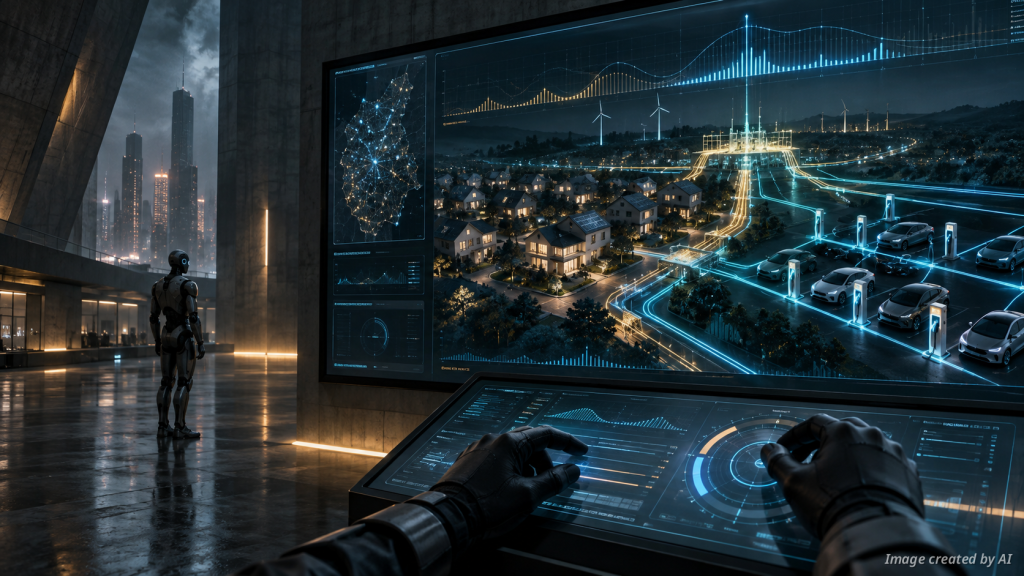
The role of electric vehicles in grid stability
Future power systems will rely heavily on variable renewable energy sources like wind and solar [2]. These sources are inherently intermittent. Electric vehicles, when paired with battery energy storage systems (BESS), offer a unique solution to this challenge.
By acting as mobile storage units, EVs can help balance the grid. This integration of BESS and EVs provides hope for national energy systems. It allows for energy discharge during peak demand periods, reducing strain on power plants.
Infrastructure challenges for energy providers
Developing a robust charging network is a primary concern for energy providers. Strategic locations must be identified to serve the growing number of electric vehicle users [3]. This requires significant investment in transmission and distribution networks.
Public and private sectors must collaborate to build these standards. Governments often lead the investment in grid expansion, while the private sector focuses on charging station deployment [3]. Circular economy in the production of electric vehicle motors and components in Vietnam is also a key factor in long-term sustainability.
Technological advancements driving adoption
Advancements in battery technology, such as lithium-ion and graphene, are significantly improving EV performance [4]. As battery costs decrease, electric vehicles become more accessible to the average consumer. This shift necessitates a smarter, more responsive electrical grid.
New technologies like vehicle-to-vehicle (V2V) communication are currently under research [4]. These innovations promise a more connected and intelligent driving experience. Energy providers must stay ahead of these trends to manage the resulting surge in electricity demand.
Building a reliable partner network
Successful grid management requires building strong relationships with community leaders and energy partners [5]. A reliable power network relies on trust and shared objectives. Engaging stakeholders early helps in the smooth implementation of new energy programs.
Engineers play a critical role in designing these collaborative frameworks. They ensure that technical standards for charging stations align with grid capabilities. Công nghệ số hóa để theo dõi vòng đời linh kiện xe điện is becoming a vital part of this management process.
Strategies for future grid resilience
To prepare for a high-EV future, grid operators must prioritize flexibility. Demand-side management programs can incentivize users to charge during off-peak hours. This reduces the need for expensive infrastructure upgrades.
- Implement smart metering for real-time load monitoring.
- Encourage the use of renewable energy for EV charging stations.
- Develop standardized protocols for vehicle-to-grid (V2G) communication.
- Invest in grid automation to handle fluctuating energy inputs.
Conclusion
The synergy between electric vehicles and smart grids is undeniable. By integrating digital control systems, we can create a more sustainable and efficient energy future. Energy providers and engineers must continue to work together to overcome infrastructure hurdles. Through innovation and strategic investment, a green, electrified transportation sector is well within reach.
More Information
- Smart grid: A modernized electrical grid that uses digital communications technology to detect and react to local changes in usage, improving efficiency and reliability for energy providers.
- BESS (Battery Energy Storage System): A technology that stores electrical energy in batteries for later use, crucial for balancing the intermittent supply from renewable energy sources like solar and wind.
- Grid infrastructure: The physical and digital network of transmission lines, substations, and transformers that deliver electricity from producers to consumers, now requiring upgrades for EV integration.
- V2V (Vehicle-to-Vehicle): A technology that allows electric vehicles to communicate with each other, sharing data to improve safety, traffic flow, and energy management on the road.
- Decarbonization: The process of reducing carbon dioxide emissions from the energy sector, primarily through the transition to renewable power sources and the adoption of electric vehicles.