The automotive industry is currently undergoing a massive transformation toward full electrification. However, infrastructure limitations remain a significant hurdle for many drivers globally. The introduction of the VinFast VF Wild signals a bold step forward in addressing these challenges through innovative engineering [1].
At the heart of this innovation lies the Range Extended Electric Vehicle (REEV) architecture. This technology is being positioned as a critical bridge for the future of the electric vehicle market [2].
Understanding the REEV technology
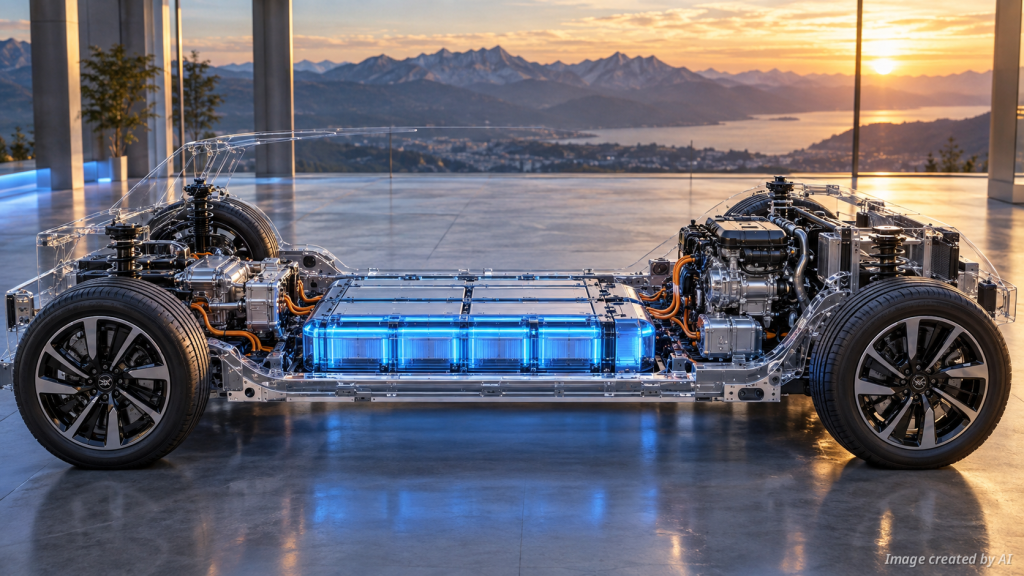
The REEV architecture functions by using an internal combustion engine to supplement energy for the battery system. Unlike traditional hybrids, the engine in a REEV does not drive the wheels directly. Instead, it acts as a generator to keep the battery charged during long trips [1]. This setup ensures that drivers can travel long distances without the “range anxiety” often associated with pure electric vehicles.
For a rugged model like the VinFast VF Wild, this technology is essential. It allows the vehicle to maintain its performance capabilities even in remote areas where charging stations are scarce [2]. By combining the efficiency of electric motors with the reliability of a fuel-based generator, VinFast is creating a versatile solution for diverse driving needs.
Why the VinFast VF Wild stands out
The VinFast VF Wild is not just another electric truck. It represents a strategic shift in how automakers approach the developing highly recyclable electric vehicle batteries from the design phase. By opting for the REEV configuration, VinFast is acknowledging the reality of current infrastructure gaps [4].
Recent sightings of the vehicle on test tracks confirm that the design is evolving to meet consumer expectations. The interior features and exterior aesthetics align with the modern design language seen in other updated models like the VinFast VF 8 [3]. This consistency across the product lineup helps build brand recognition while testing new, efficient technologies.
Strategic advantages of REEV
The decision to implement REEV technology is a calculated move to optimize both cost and utility. While many experts agree that full battery-electric vehicles are the ultimate goal, REEV serves as a practical, strategic answer for the 2026-2030 period [2]. It provides a buffer for users who may occasionally forget to charge or who travel through regions lacking fast-charging networks.
VinFast has made it clear that while they are committed to an all-electric future, they remain flexible in their engineering approach. The focus is on providing a superior user experience that does not compromise on performance [3]. This pragmatic philosophy is helping the company expand its footprint in international markets, including India [5].
Future outlook for electric vehicle production
The integration of REEV into the production cycle of the VF Wild is just one part of a larger strategy. VinFast continues to refine its digital technology for tracking the lifecycle of electric vehicle components to ensure long-term sustainability. By monitoring the performance of these extended-range systems, the company can gather valuable data to improve future generations of vehicles.
The shift toward these hybrid-electric solutions demonstrates a mature understanding of market dynamics. Consumers want the benefits of electric driving without the limitations of current charging infrastructure. The REEV architecture provides exactly that balance.
Key benefits of the REEV model
- Extended driving range for long-distance travel.
- Reduced reliance on immediate charging infrastructure.
- Seamless transition for drivers moving from internal combustion vehicles.
- Optimized battery usage for better longevity.
As the company moves forward, the VF Wild will likely become a benchmark for how manufacturers can blend traditional power with modern electric efficiency. The commitment to innovation ensures that VinFast remains a competitive player in the global automotive landscape [5].
Conclusion
The REEV architecture is clearly a pivotal technology for the VinFast VF Wild. It bridges the gap between today’s infrastructure and tomorrow’s fully electric vision. By focusing on practical solutions that enhance the driver experience, VinFast is positioning itself as a leader in the global transition to green transportation. Whether for daily commutes or long-distance adventures, the VF Wild is designed to keep moving forward, regardless of where the road leads.
More Information
- REEV (Range Extended Electric Vehicle): A type of electric vehicle that uses a small internal combustion engine as a generator to recharge the battery, significantly increasing the total driving range.
- Infrastructure gaps: The lack of sufficient charging stations in certain geographic areas, which creates a barrier to the widespread adoption of pure battery-electric vehicles.
- Range anxiety: The fear or concern experienced by electric vehicle drivers that their vehicle has insufficient energy storage to reach their destination, leading to the risk of being stranded.
- Electrification: The process of replacing technologies that use fossil fuels with technologies that use electricity as a source of energy, particularly in the automotive industry.
- Sustainable transportation: Methods of travel and vehicle technologies that minimize environmental impact, reduce carbon emissions, and promote long-term ecological balance.