The automotive industry is undergoing a profound transformation. As software becomes the primary differentiator, engineers are shifting toward open and flexible architectures. This transition is essential for building the next generation of electric vehicles (EVs) that prioritize connectivity and intelligence.
Modern vehicles are no longer just mechanical machines. They are complex, software-defined platforms that require seamless integration between hardware and digital services. By adopting advanced automation and robotics [1], manufacturers can ensure that their production lines remain as agile as the software they develop.
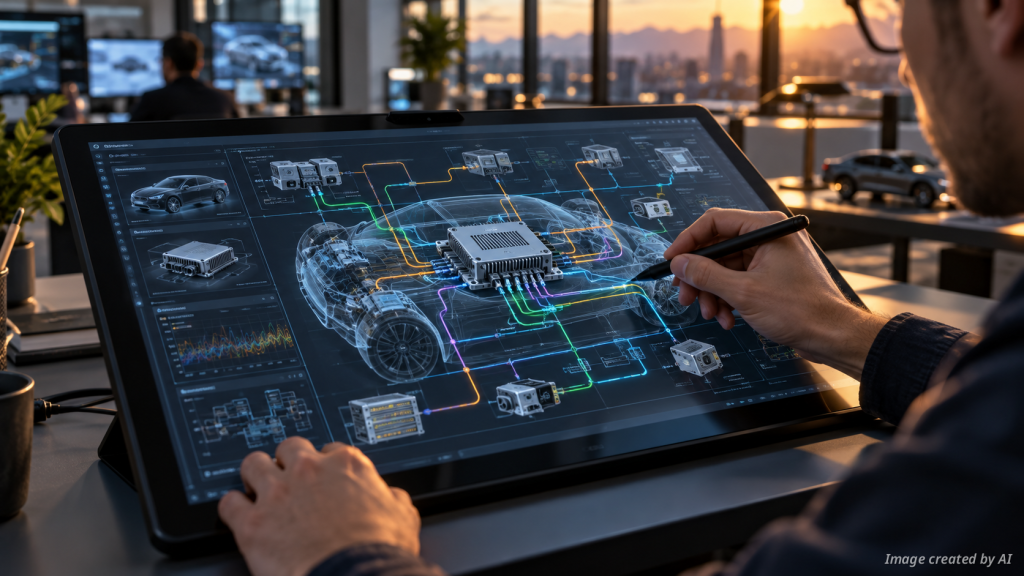
The shift toward software-defined vehicles
Traditional automotive development relied on rigid, proprietary systems. These silos often hindered innovation and slowed down software updates. Today, the industry is moving toward a centralized, open-source approach to the role of AI in optimizing modular EV platforms.
This shift allows for faster iteration cycles. Engineers can now deploy over-the-air (OTA) updates to improve vehicle performance, range, and safety features. By embracing open standards, companies can foster a collaborative ecosystem where third-party developers contribute to the vehicle's functionality [3].
Why open architecture matters for engineers
For software engineers, an open architecture provides a blank canvas. It removes the constraints of legacy hardware interfaces. Instead, it offers a standardized layer that communicates effectively with various vehicle components [2].
Flexibility is the core benefit. Whether it is integrating new battery management systems or enhancing smart connectivity features [4], open systems make these tasks manageable. This modularity ensures that the vehicle remains relevant long after it leaves the assembly line.
Key components of flexible EV platforms
A truly flexible platform requires several pillars of technology. These elements work in harmony to deliver a superior user experience. Engineers must focus on the following areas:
- Centralized computing units that manage all vehicle domains.
- High-speed communication buses that handle massive data throughput.
- Standardized APIs that allow for easy integration of new features.
- Robust cybersecurity protocols to protect the vehicle from external threats.
By focusing on these areas, developers can create a cohesive electric vehicle ecosystem [2]. This approach reduces complexity and improves overall system reliability.
Collaboration and the role of standards
No single company can solve every challenge in the EV space. Industry-wide standards are critical for long-term success. When manufacturers agree on common protocols for charging, communication, and data, the entire market benefits [3].
Open standards facilitate interoperability. They allow different suppliers to provide components that work seamlessly together. This is particularly important for intelligent EV charging robots and other autonomous infrastructure projects. Collaboration accelerates the pace of innovation for everyone involved.
Building a career in modern automotive software
The demand for skilled software engineers in the automotive sector is at an all-time high. Companies are actively seeking talent to fill roles in systems integration, AI development, and cloud-based vehicle management [5]. Developing expertise in open-source automotive software stacks is a significant career advantage.
Engineers should focus on learning languages like C++ and Rust, which are common in low-level vehicle control. Furthermore, understanding the nuances of real-time operating systems (RTOS) is essential for safety-critical applications. As the industry evolves, the ability to adapt to new frameworks will define the most successful professionals.
The impact of AI on vehicle control
Artificial intelligence is no longer optional in modern vehicle design. It is the engine behind advanced driver-assistance systems and predictive maintenance. By leveraging AI within an open architecture, engineers can create vehicles that learn from their environment [4].
This intelligence extends to energy management. AI can optimize battery usage based on driving habits and traffic patterns. This improves efficiency and extends the vehicle's total range. It is a perfect example of how software can enhance physical hardware capabilities.
Challenges in implementing open architecture
While the benefits are clear, the transition to open architecture is not without challenges. Legacy systems are often deeply embedded in existing manufacturing processes. Replacing them requires significant investment and careful planning [1].
Security is another major concern. An open system must be designed with security at its core. Every interface and connection point is a potential vulnerability. Engineers must implement rigorous testing and encryption to ensure the vehicle remains safe from malicious interference.
Future outlook for electric vehicle software
The future of electric vehicles is undeniably software-defined. As we move toward fully autonomous driving and connected mobility, the importance of flexible, open-source software will only grow. Engineers who master these technologies will lead the next automotive revolution.
By prioritizing modularity and standardization, we can build a future where vehicles are safer, cleaner, and more intelligent. The journey toward this future is complex, but it is one of the most exciting frontiers in modern engineering.
More Information
- Automation solutions: Technologies that integrate robotics and software to streamline manufacturing processes, ensuring high precision and flexibility in the production of complex electric vehicle components and battery systems.
- Wire harness architecture: The physical and logical network of cables and connectors that transmit power and data throughout a vehicle, increasingly vital for managing the complex electronics in modern electric vehicles.
- Open ecosystem: A collaborative development environment where multiple manufacturers and suppliers use shared standards to ensure compatibility, interoperability, and faster innovation across the entire electric vehicle value chain.
- Intelligent EV platform: A vehicle chassis design that integrates AI, high-performance computing, and advanced connectivity to support diverse battery types and autonomous driving features in a modular, scalable way.
- Technical recruitment: The process of identifying and hiring specialized engineering talent, such as software developers and systems architects, to support the rapid growth and technological needs of the automotive industry.