The landscape of modern transportation is shifting rapidly toward intelligence and sustainability. For the discerning luxury electric vehicle (EV) owner, the definition of a premium drive now extends far beyond leather interiors and horsepower. It is increasingly about how technology anticipates your needs before you even realize them.
Personalized AI-optimized journeys represent the pinnacle of this evolution. By integrating advanced algorithms, your vehicle becomes more than a machine; it becomes a proactive travel companion that learns your habits and preferences to streamline every mile of your trip [1].
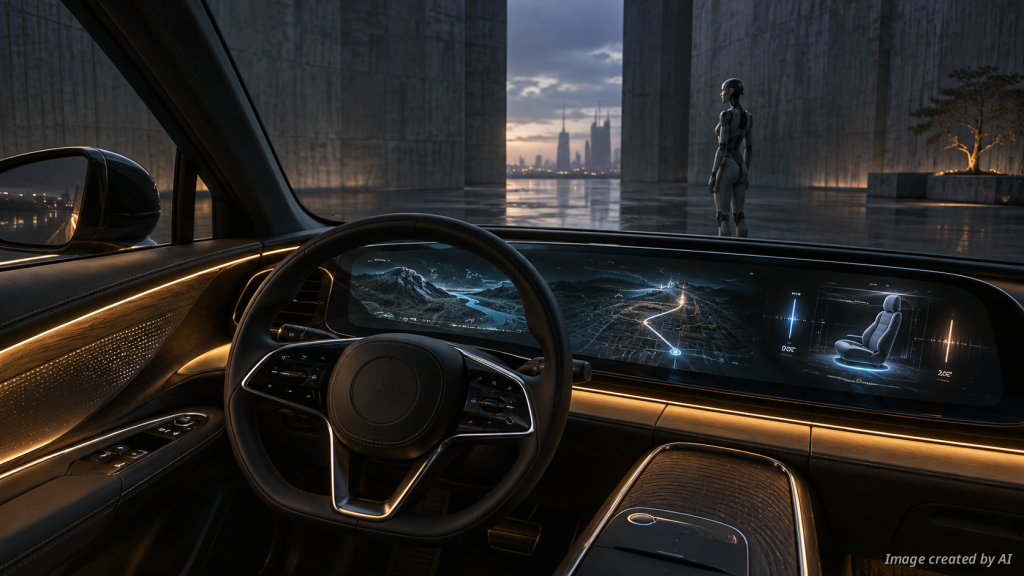
The core of intelligent mobility
At the heart of this transformation is the ability of AI to process vast amounts of data in real time. Modern EVs now leverage edge AI to analyze local traffic, weather conditions, and energy consumption patterns [3]. This allows the car to make split-second decisions that optimize your route for efficiency and comfort.
Furthermore, AI-driven systems are moving beyond basic navigation. They are now capable of predicting passenger needs, such as adjusting cabin temperature or suggesting stops based on your historical behavior [2]. This level of personalization ensures that every journey feels curated specifically for the driver and passengers.
Predictive maintenance and safety
Safety remains a paramount concern for luxury vehicle owners. AI enhances this by monitoring vehicle health continuously. Instead of waiting for a warning light, the car proactively identifies potential maintenance needs before they become critical issues [3]. This predictive capability significantly reduces downtime and enhances the reliability of your luxury asset.
Additionally, autonomous driving features continue to evolve, reducing the cognitive load on the driver. By utilizing intelligent traffic management systems, these vehicles minimize the risk of human error [2]. This creates a safer, more relaxed environment for everyone on board.
Curating the perfect travel experience
Luxury is defined by convenience. Imagine a vehicle that knows exactly when you prefer to stop for coffee or which charging stations offer the most premium amenities. AI agents are now capable of processing complex, multi-step tasks independently to improve your daily commute or long-distance travel [2].
These systems also sync with your digital life. Whether you are heading to a high-end event or a business meeting, the vehicle optimizes your schedule [4]. It ensures that you arrive on time while maintaining the highest levels of comfort and efficiency.
The future of marketing and ownership
The automotive industry is also using AI to redefine the relationship between brands and owners. By analyzing usage patterns, manufacturers can offer highly tailored services and updates that keep your vehicle at the cutting edge of technology [1]. This is part of a broader global shift in how companies interact with their most valued customers [5].
As we look toward the future, the integration of AI will only grow deeper. It will transform the vehicle from a simple mode of transport into an intelligent sanctuary. For the luxury consumer, this means more time to focus on what truly matters, supported by a vehicle that understands the art of the journey.
More Information
- AI personalization: The process of using machine learning algorithms to analyze individual driver behavior, preferences, and historical data to deliver a bespoke, intuitive, and highly efficient vehicle experience [1].
- AI agents: Autonomous or semi-autonomous software systems capable of processing complex, multi-step tasks independently to enhance operational efficiency and user convenience in transportation [2].
- Edge AI: A technology where AI algorithms are processed locally on the vehicle's hardware rather than in a remote cloud, enabling real-time decision-making and improved system reliability [3].
- Intelligent connectivity: The seamless integration of a vehicle with external digital ecosystems, such as smart city infrastructure, to optimize travel routes and access premium services [4].
- Predictive marketing: The use of AI to analyze customer behavior and anticipate needs, allowing brands to offer highly relevant services and personalized engagement strategies [5].