The global transition toward sustainable transportation relies heavily on the integration of renewable energy sources into electric vehicle (EV) charging infrastructure. As EV adoption accelerates, developers must address the volatility of green energy production. Advanced management software has emerged as the critical link between intermittent power generation and reliable vehicle charging [2].
Modern charging stations are no longer passive outlets. They function as sophisticated nodes within a smart grid. By utilizing intelligent software, developers can harmonize solar and wind energy production with real-time charging demand [1]. This synchronization ensures that clean energy is utilized efficiently, reducing reliance on fossil-fuel-based grid power.
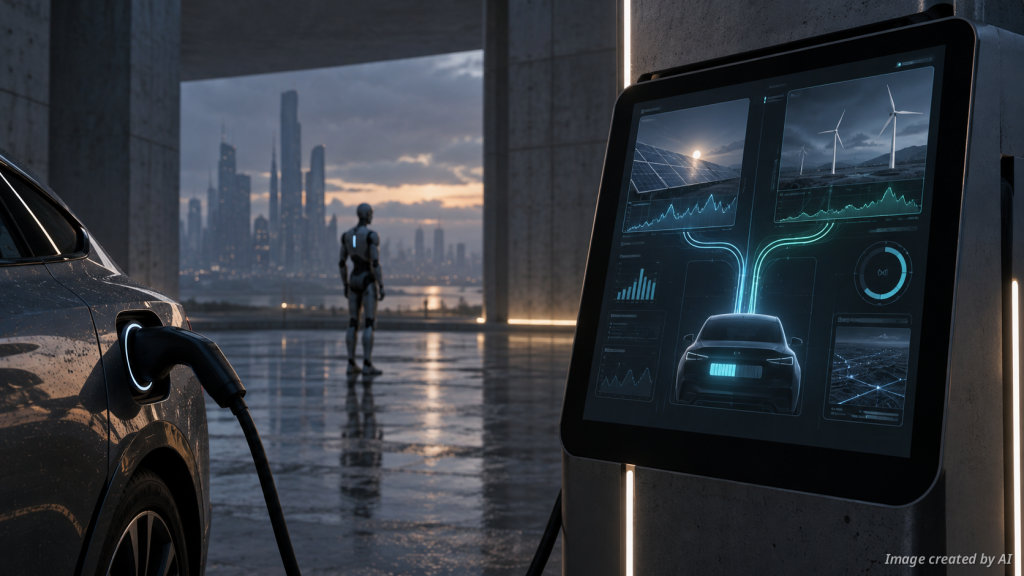
The role of intelligent software in energy optimization
Effective energy management software serves as the "brain" of the charging station. It continuously monitors energy production from renewable sources like photovoltaic arrays [2]. When solar output peaks, the software directs this power toward charging vehicles or storing it in battery systems. This prevents energy waste and maximizes the return on infrastructure investment.
Developers often face challenges regarding network stability and power load distribution. High-quality network control solutions allow for seamless communication between the station and the grid [3]. These systems ensure that charging speeds remain optimal even when environmental factors reduce renewable energy availability.
Advanced testing and data analytics
Reliability is paramount for any infrastructure developer. Software platforms must provide robust testing capabilities to ensure performance under diverse environmental conditions [4]. By utilizing specialized energy testing software, developers can simulate various grid scenarios. This proactive approach minimizes downtime and enhances the safety of the charging network.
Data management is another core component of these systems. Analytics tools allow operators to track energy consumption patterns and predict future demand spikes [4]. By leveraging big data analytics, developers can refine their hardware designs to better suit user behavior. This iterative process creates a more responsive and user-centric charging experience.
Integrating green energy into global infrastructure
Global leaders in the EV sector are prioritizing the expansion of green charging networks. Companies like V-Green demonstrate how a centralized platform can connect and manage diverse charging assets globally [1]. Such platforms allow for the seamless integration of public charging stations and battery-swapping cabinets.
The vision for a greener future involves more than just installing hardware. It requires a commitment to building a comprehensive clean energy ecosystem [5]. By adopting sophisticated software, developers can ensure that every kilowatt of power delivered to a vehicle is as clean as possible. This commitment is essential for meeting international climate goals.
Key benefits for charging station developers
Developers who implement advanced energy management software gain several competitive advantages. These benefits extend beyond simple operational efficiency:
- Reduced operational costs through optimized energy consumption.
- Improved hardware longevity by preventing power surges and grid instability.
- Enhanced user satisfaction due to reliable and fast charging times.
- Compliance with evolving environmental regulations and standards [4].
Furthermore, these systems support the transition to effective fleet management for commercial partners. By providing real-time data, software platforms empower businesses to monitor their energy footprint. This transparency is increasingly important for companies seeking to report on their sustainability efforts.
Overcoming technical challenges
The path to fully renewable charging is not without obstacles. Variability in wind and solar power requires sophisticated energy management software that can handle rapid fluctuations. Developers must prioritize systems that offer high-speed processing and real-time response capabilities [2].
Interoperability remains a critical requirement. Charging software must communicate effectively with different brands of hardware and various grid protocols. By selecting platforms that support open standards, developers can future-proof their infrastructure against rapid technological changes.
Future trends in green charging
The future of EV charging is inextricably linked to energy storage systems (ESS). As battery technology improves, charging stations will increasingly incorporate on-site storage to buffer renewable energy [4]. Management software will play an even greater role in balancing these storage assets with grid demand.
Artificial intelligence will also become more prevalent in these systems. Predictive algorithms will soon anticipate weather patterns to pre-charge battery systems before peak demand hours. This level of automation will set a new standard for efficiency in the renewable energy sector.
Conclusion
The deployment of renewable energy management software is a strategic necessity for modern EV charging developers. It enables the transition from traditional, grid-dependent stations to intelligent, sustainable energy hubs [1]. By investing in robust software solutions, developers can ensure their infrastructure remains reliable, efficient, and aligned with global sustainability mandates.
As the sector continues to evolve, the integration of data analytics, smart grid communication, and energy storage will define the next generation of charging technology. Developers who embrace these tools today will lead the market in providing the clean energy infrastructure of tomorrow [5].
More Information
- V-Green: A global infrastructure developer focusing on electric vehicle charging networks and technology platforms that connect and manage charging assets to promote sustainable, green transportation solutions [1].
- Photovoltaic (PV) optimization: The process of using software to manage solar power production and consumption, ensuring that charging stations utilize renewable energy efficiently based on real-time availability [2].
- Network control solutions: Advanced systems that manage traffic and energy flow within a charging network, ensuring stability and efficiency during high-load periods [3].
- Energy testing software: Specialized tools used to verify the performance, safety, and compliance of renewable energy infrastructure and electric vehicle supply equipment under various environmental conditions [4].
- Clean energy ecosystem: An integrated infrastructure model where renewable energy generation, storage, and consumption are managed collectively to minimize environmental impact and maximize energy efficiency [5].