Urban landscapes are undergoing a radical transformation as cities prioritize sustainable mobility. Electric motorcycles are emerging as a primary solution to combat rising pollution and traffic congestion in densely populated areas [5].
City planners are now tasked with integrating these vehicles into existing infrastructure. This shift requires a collaborative approach between government bodies, private manufacturers, and daily commuters [2].
The rise of electric two-wheelers
The global market for electric motorcycles is expanding rapidly. Major manufacturers are investing billions of dollars to develop models that rival traditional internal combustion engines in both performance and range [1].
Consumers are increasingly drawn to these vehicles due to lower maintenance costs and government incentives. As fuel prices fluctuate, the cost-effectiveness of electric motorcycles becomes a compelling argument for daily commuters [1].
Integrating electric mobility into city planning
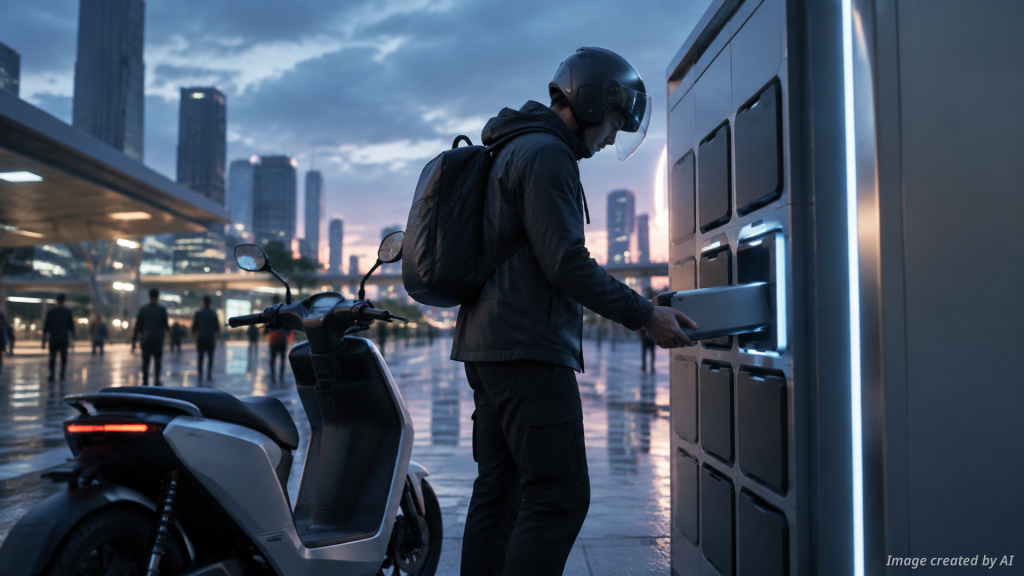
Urban planners face the challenge of retrofitting cities to support electric vehicle adoption. This includes the development of robust charging networks and battery-swapping stations [5]. Such infrastructure is vital for reducing "range anxiety" among riders.
Strategic urban developments, such as The Global City, are already incorporating smart mobility concepts into their master plans [4]. These projects serve as blueprints for future urban expansion.
Policy frameworks and green transitions
Governments are setting ambitious goals to achieve net-zero emissions by 2050 [5]. National action plans often mandate the transition of public and private transport to electric power [2].
For instance, many cities are planning to restrict or ban gasoline-powered vehicles in city centers by 2030 [5]. This policy shift forces a faster adoption rate for cleaner alternatives. You can learn more about the future of electric buses and public transportation to understand the broader context of this transition.
Competitive dynamics in the market
A fierce "electric war" is unfolding as domestic and international brands compete for market dominance [3]. This competition drives innovation and lowers prices for the average consumer.
Companies are focusing on improving battery life and charging speed to gain an edge. Detailed insights into the emergence of the electric vehicle market in developing nations highlight how these competitive forces shape regional growth.
Infrastructure challenges and solutions
Infrastructure remains the biggest hurdle for widespread adoption. Planners must ensure that the power grid can handle increased demand from charging stations [2]. Battery-swapping technology offers a practical solution for high-density areas where home charging is difficult [5].
By standardizing technical specifications for charging stations, cities can foster a more reliable ecosystem for riders [2]. This standardization is essential for long-term scalability.
The role of technology in urban mobility
Smart city technologies can optimize traffic flow and charging station availability. Real-time data helps riders find the nearest electric motorcycle options and available power points [3]. This connectivity enhances the overall user experience.
Furthermore, the integration of renewable energy sources into the grid will make electric motorcycles even cleaner. As cities evolve, the synergy between technology and infrastructure will define the success of green mobility.
More Information
- Electric vehicle (EV) market: The global industry focused on the development, manufacturing, and sale of vehicles powered by electric motors, which are increasingly replacing traditional internal combustion engines to reduce carbon emissions [1].
- Urban planning: A technical and political process concerned with the development and design of land use and the built environment, including air, water, and the infrastructure passing into and out of urban areas [2].
- Battery-swapping: A mechanism that allows electric vehicle users to exchange a depleted battery for a fully charged one at a dedicated station, significantly reducing waiting times compared to traditional plug-in charging [3].
- Sustainable mobility: The ability to move people and goods in a way that minimizes environmental impact, reduces traffic congestion, and promotes long-term social and economic well-being within urban environments [4].
- Net-zero emissions: A state in which the greenhouse gases going into the atmosphere are balanced by removal from the atmosphere, a goal many nations aim to reach by 2050 through green energy transitions [5].