Modern electric vehicles are evolving rapidly into sophisticated mobile platforms. One of the most significant advancements is the integration of AI-driven voice recognition systems. These tools allow busy drivers to manage vehicle functions without removing their hands from the steering wheel.
This technology creates a safer and more intuitive driving environment. By processing natural language, the car becomes an intelligent assistant that understands complex commands. Drivers can now focus entirely on the road while staying productive and connected [1].
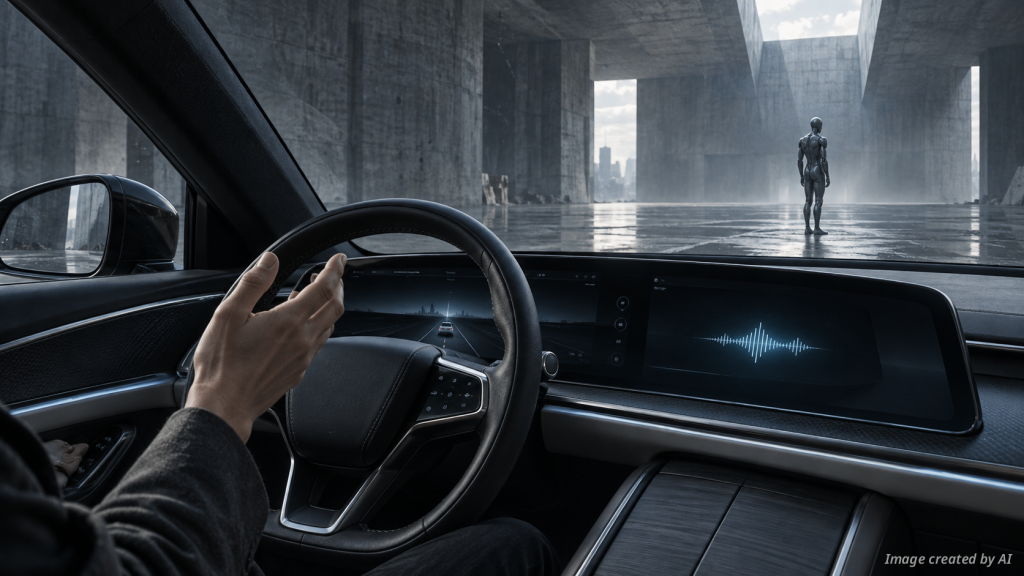
The rise of voice-controlled electric vehicles
The global market for automotive voice recognition systems is expanding at an impressive rate. Analysts project that the market value will climb significantly from previous years as demand for smart connectivity grows [2]. Manufacturers are prioritizing these features to compete in the luxury and mass-market EV segments.
Drivers no longer need to navigate through complex touchscreen menus while driving. Instead, they can simply speak to adjust the climate, change music, or set navigation routes. This seamless integration of voice technology significantly reduces cognitive load for the operator.
Enhancing safety through hands-free operation
Safety remains the primary advantage of hands-free technology in electric vehicles. Distracted driving is a leading cause of accidents worldwide. By utilizing advanced voice commands, drivers keep their eyes on the road and their hands on the wheel at all times.
Many modern EVs now allow users to "wake up" their virtual assistants through simple voice prompts or steering wheel buttons [4]. This AI driver monitoring system ensures that the vehicle remains responsive to the driver's needs without compromising safety protocols. It effectively bridges the gap between human intent and machine execution.
The role of generative AI in cars
The introduction of generative AI, such as ChatGPT, is pushing vehicle intelligence to new heights. These systems can process context better than traditional voice assistants. They turn the dashboard into a conversational partner rather than a simple command-response tool [3].
Imagine asking your car to summarize your upcoming meetings or draft a quick email response while you commute. This revolutionary approach to in-car communication transforms the vehicle into a mobile office. It is perfect for professionals who need to maximize their time while on the move.
Optimizing the user experience
Personalization is the next frontier for AI-powered electric vehicles. The system learns individual driver preferences over time, such as preferred temperature settings or favorite radio stations. This creates a tailored experience that feels unique to every user.
Furthermore, high-quality hardware is essential for these systems to function correctly. Advanced microphones, similar to those found in modern smart audio accessories, are being integrated into vehicle cabins [5]. These components filter out road noise, ensuring the AI hears commands clearly.
Future trends in automotive AI
As we look ahead, the integration of voice AI will become even more seamless. We expect to see deeper integration with smart home ecosystems and cloud-based services. This will allow your car to act as a central hub for your digital life.
For businesses, effective electric fleet management software will also benefit from these voice capabilities. Fleet managers can receive real-time updates on vehicle health or route efficiency via voice-enabled dashboards. This level of connectivity is becoming a standard expectation for modern fleets.
Challenges and considerations
Despite the benefits, developers face challenges in perfecting these systems. Accents, dialects, and background noise can still affect recognition accuracy. Engineers are working tirelessly to train AI models on diverse datasets to overcome these barriers [2].
Privacy is another critical concern for users. Manufacturers must ensure that voice data is processed securely and not misused. Transparent data policies are essential for building trust among tech-savvy drivers.
Conclusion
AI-driven voice recognition is no longer a luxury feature; it is a necessity for the modern, busy driver. It enhances safety, boosts productivity, and provides a futuristic driving experience. As the technology continues to mature, we can expect even more innovative ways to interact with our vehicles.
By embracing these advancements, drivers can reclaim their time and focus on what matters most. The future of driving is not just about the electric motor; it is about the intelligence that powers the entire journey.
More Information
- Voice recognition: A technology that enables machines to interpret and process human speech into digital commands, allowing for hands-free control of electronic systems and devices.
- Automotive AI market: The global industry segment focused on integrating artificial intelligence into vehicles to improve safety, navigation, and user interaction through advanced software and hardware solutions.
- Generative AI: A type of artificial intelligence capable of creating new content or engaging in complex, context-aware conversations, significantly enhancing the capability of standard virtual assistants.
- Virtual assistant: An AI-powered software agent within a vehicle that performs tasks for the driver, such as adjusting settings or providing information, typically activated by voice commands.
- Hands-free control: A method of operating vehicle systems without manual input, primarily using voice recognition to ensure the driver maintains focus on the road for improved safety.